
01
Laboratory of Atmospheric Physics
Atmospheric physics and chemistry, radiation, air quality, climate physics. Strong national and European research presence.
Visit lab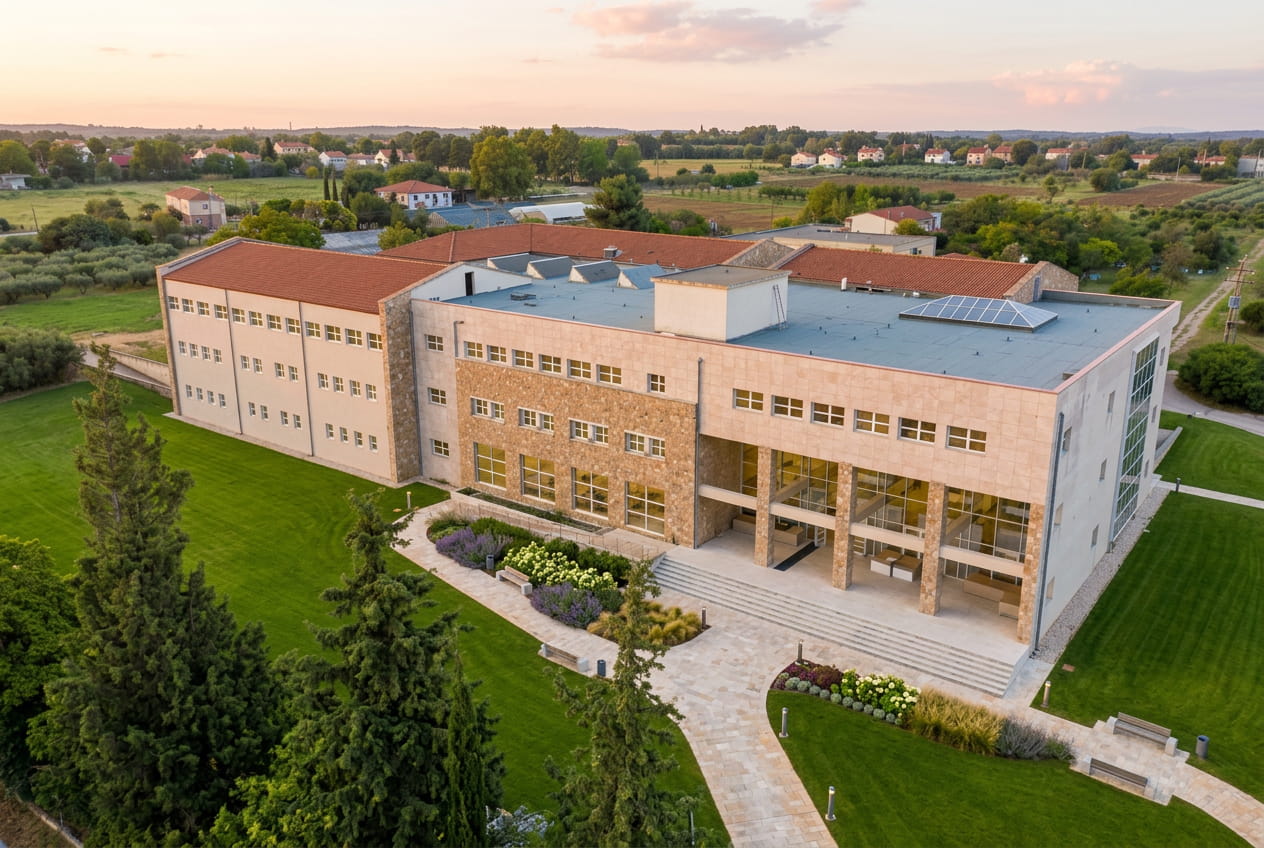
Twenty named laboratories across five Schools — and a Mediterranean city that doubles as their open-air field laboratory, from sea level to 2,917 metres.
The programme is taught by faculty members who are not only experienced educators, but also active researchers. Their laboratories work on real environmental questions, from climate and air quality to ecosystems, water, soil, energy, sustainability and environmental technologies.
For students, this creates a direct link between classroom learning and research practice. Courses introduce them to modern scientific methods, while the fifth-year Diploma Thesis offers the opportunity to join one of AUTH’s research laboratories and develop a substantial piece of independent work.
This page lists the twenty laboratories that anchor the programme — and the Mediterranean field-laboratory city that surrounds them all.
Air quality, climate physics, radiation, atmospheric chemistry.
Pollutant fate and transport. Treatment technologies. Risk assessment.
Marine and terrestrial systems, conservation, Mediterranean flora and fauna.
Hydrology, soil science, crop systems, agricultural sustainability.
Energy, lifecycle, circular economy, environmental data and modelling.
Atmospheric science, climate, radiation — and the physics of a changing planet.
Atmospheric physics and chemistry, radiation, air quality, climate physics. Strong national and European research presence.
Visit labAstrophysics and observational astronomy with international research collaborations.
Visit labExperimental and theoretical research in nuclear and subatomic physics.
Visit labWhere pollution is measured, and the technologies to remediate it are designed.
Surface, ground and waste-water treatment by advanced physicochemical and biological methods. Treatment of toxic industrial solid wastes for recycling, inactivation and stabilisation.
Visit labChemical recycling of plastic wastes — recovery of monomers and high-value compounds from polymers. Thermochemical pyrolysis of polyolefins for fuel-type hydrocarbons.
Visit labHigh Pressure Liquid Chromatography (HPLC), Gas Chromatography (GC) and Ion Chromatography (HPIC) developed and applied to environmental analysis.
Visit labEnvironmental radiochemistry — natural radioactivity in soils, sediments and water by γ-spectroscopy. OLED emitters, photosensitizers and catalysts for hydrogen production.
Visit labPhotoelectrocatalytic oxidation, heterogeneous and homogeneous photocatalysis. Solar detoxification and disinfection of wastewaters, drinking water and air.
Visit labFrom the cellular level to whole ecosystems. Marine, terrestrial, and the living archives of biodiversity.
Animal biodiversity research across marine and terrestrial systems. Affiliated with the Aristotle Museum of Natural History.
Visit labFish biology, fisheries science, and stock assessment. Member of the FishBase Consortium.
Visit labPopulation, community and ecosystem ecology. Conservation and biodiversity assessment.
Visit labPlant systematics, biogeography, and Mediterranean flora.
Visit labA research consortium AUTH coordinates within the Centre for Interdisciplinary Research and Innovation. Marine biology meets genomics.
Visit labThe engineering side of the environmental question — energy, systems, sustainability metrics.
Sustainability metrics, lifecycle assessment, and circular-economy systems.
Visit labDesign of equipment for industrial-scale separation, treatment, and chemical processing.
Visit labEnvironmental data science, modelling, and decision-support systems for air quality and emissions.
Visit labEnergy systems, industrial efficiency, and supply-chain sustainability.
Visit labGreece's leading school for agricultural science. Soil, water, crops, energy, policy.
Founded in 1937. Irrigation and drainage, water resources management, groundwater modelling, and the reuse of treated wastewater for agriculture.
Visit labEstablished 1928. Soil chemistry and microbiology, organic matter dynamics, and the assessment of plant nutrient availability for sustainable agriculture.
Visit labField-crop physiology and nutrition, abiotic stress tolerance, and low-input cropping systems. Weed biology and herbicide-resistance research.
Visit labFruit-tree biology and production systems, post-harvest physiology, and Mediterranean horticulture.
Visit labAgricultural economics, farm management, environmental economics, and the analysis of rural and food systems.
Visit labAgricultural ecology, alternative farming systems, biogeochemical cycles, and wetland management. Long-standing collaboration with the Greek Biotope Wetland Centre.
Visit labBiogas and biohydrogen from agro-industrial residues, anaerobic reactor design, and the bioclimatic and energy performance of agricultural buildings.
Visit labRenewable energy in agricultural production: solar, geothermal, biomass and biofuels, plus energy-conservation methods for greenhouses and livestock buildings.
Visit labFive environments along a single vertical gradient — sea level to summit — each one an active AUTH research site. Students walk into them from the first semester onwards.
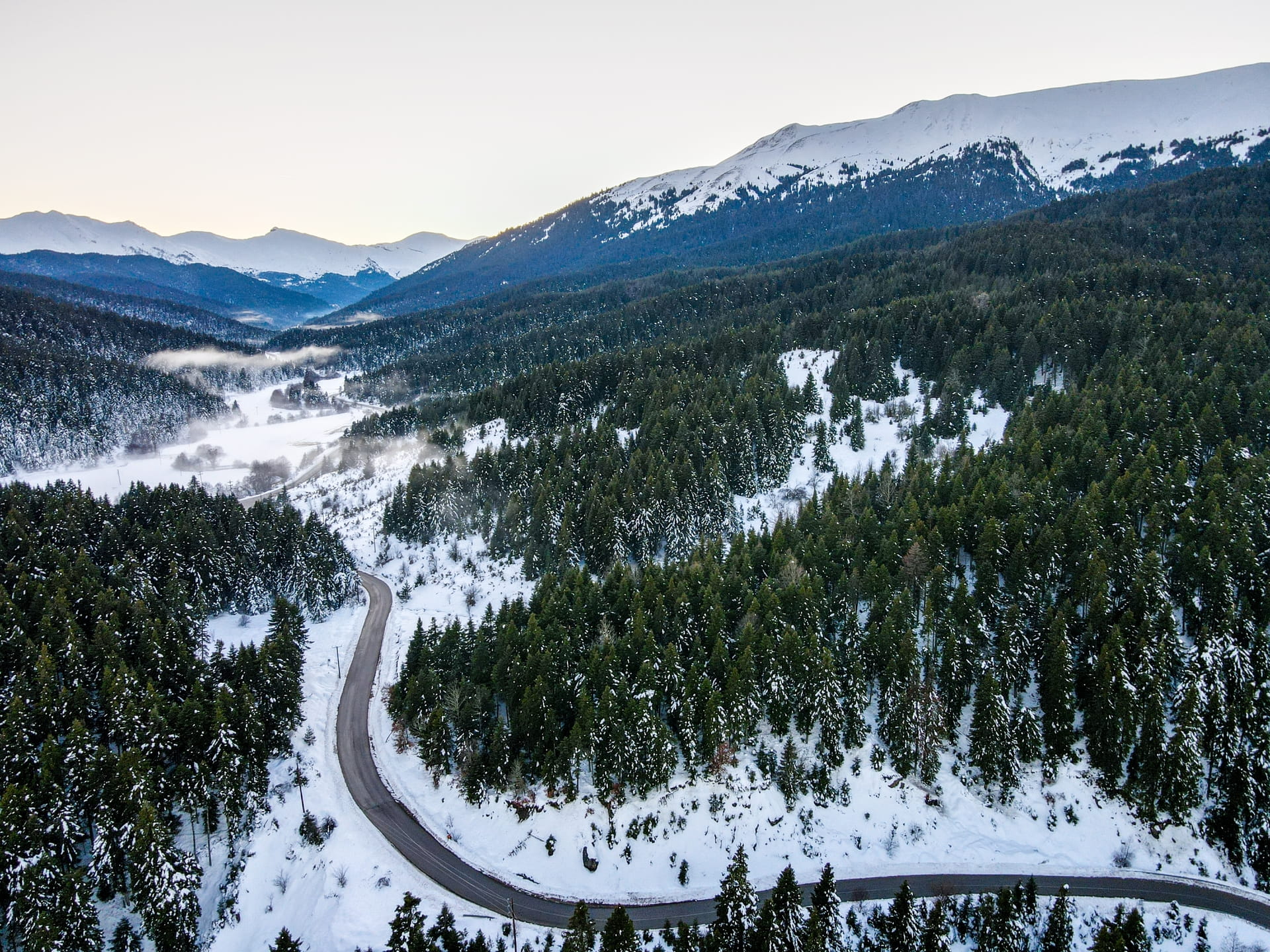
Working forests in the Pindos and Chalkidiki ranges. Forestry and ecosystem research, student field training.
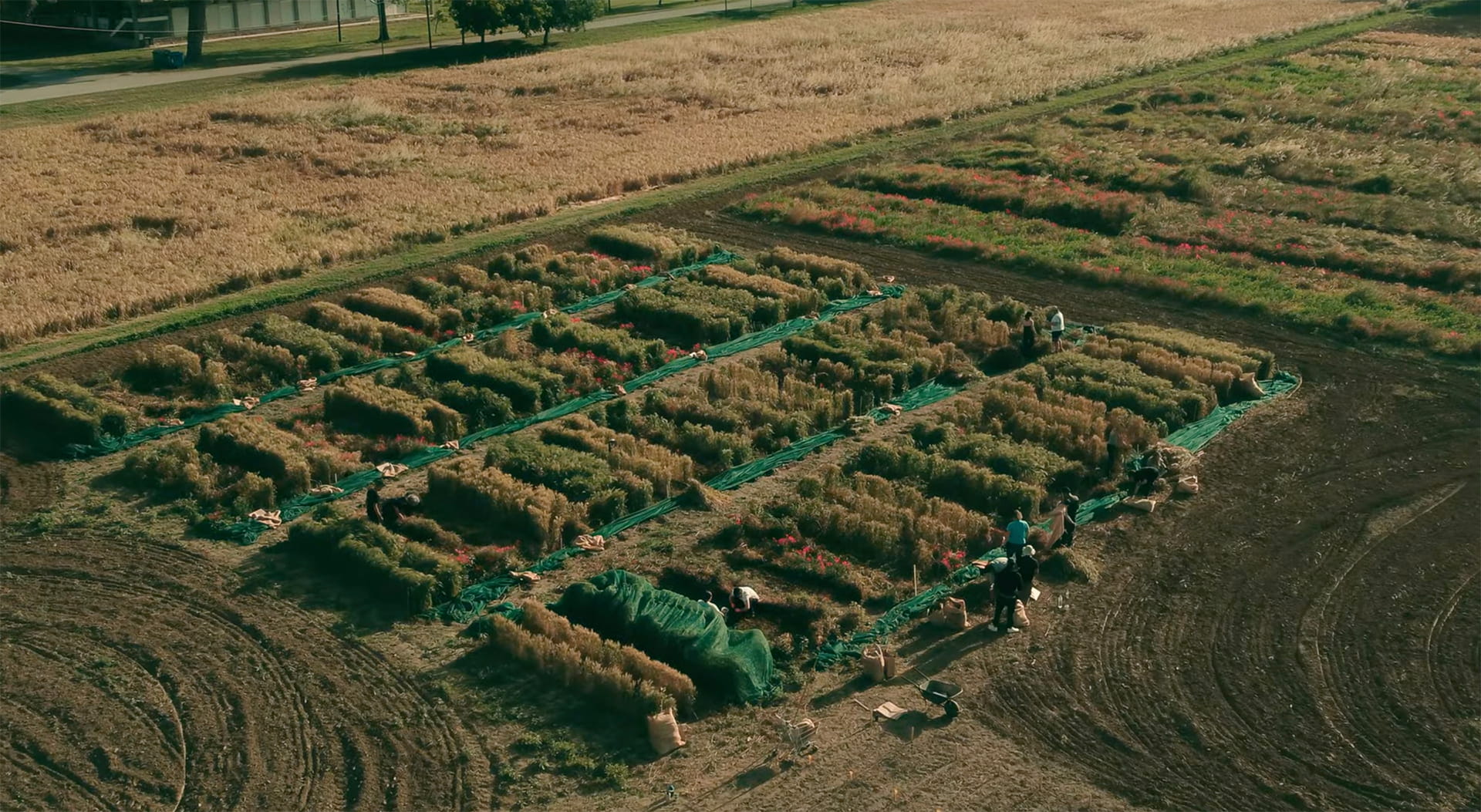
At the eastern edge of Thessaloniki. Agroecosystems, soil science, applied agronomy.
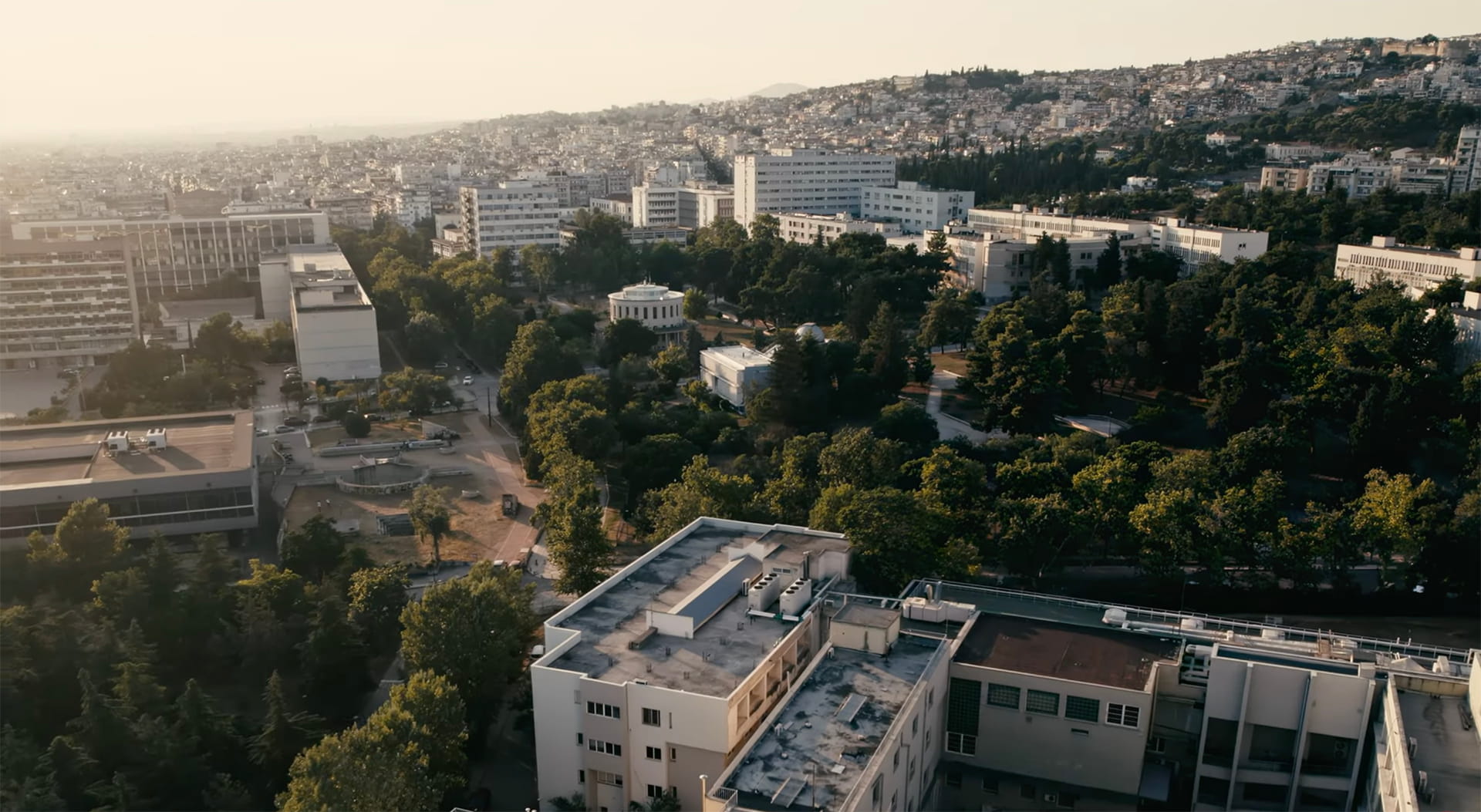
334,000 m². The largest university campus in Greece, embedded in the urban airshed itself.
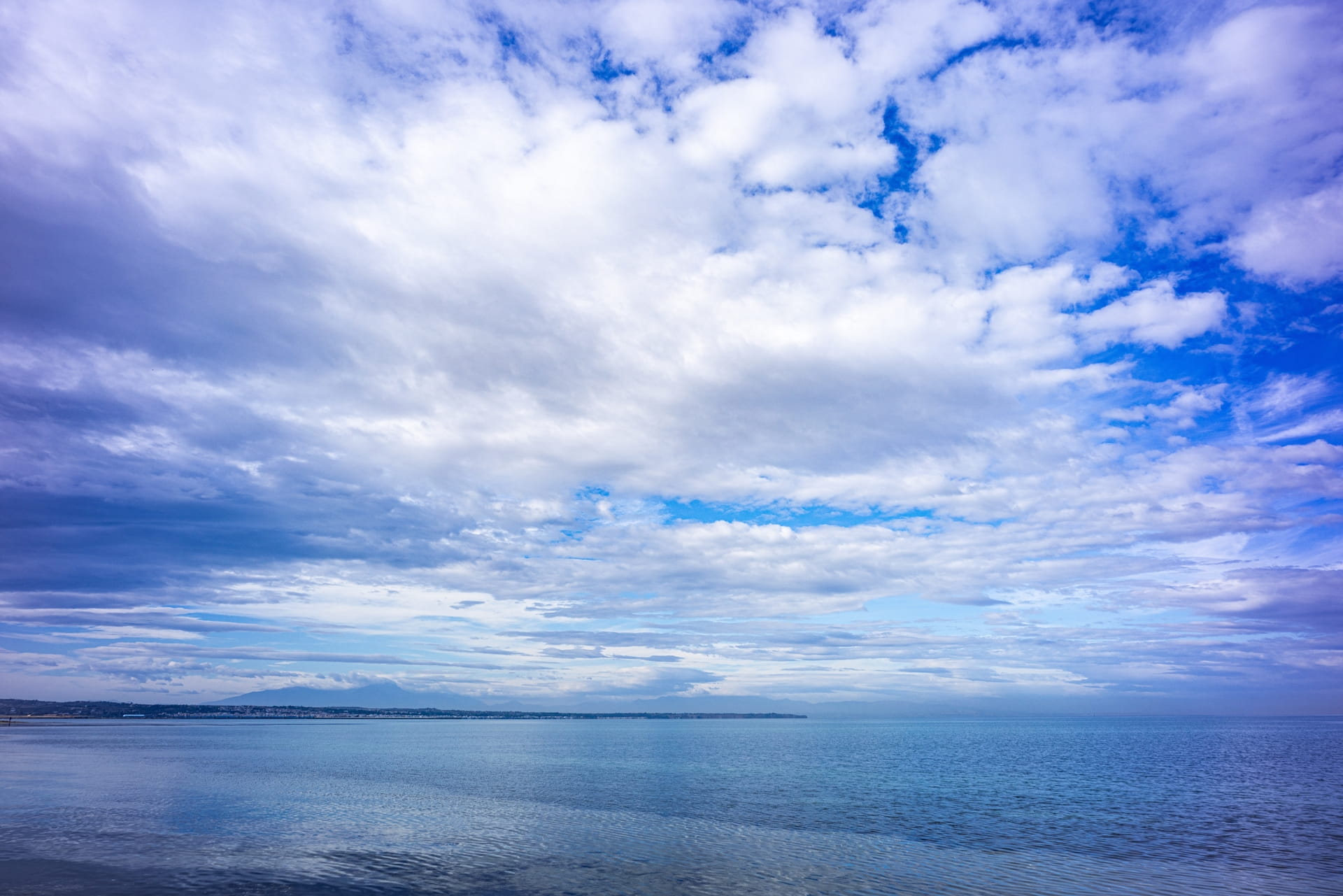
Direct access to a Mediterranean coastal system, minutes from the lecture theatres.
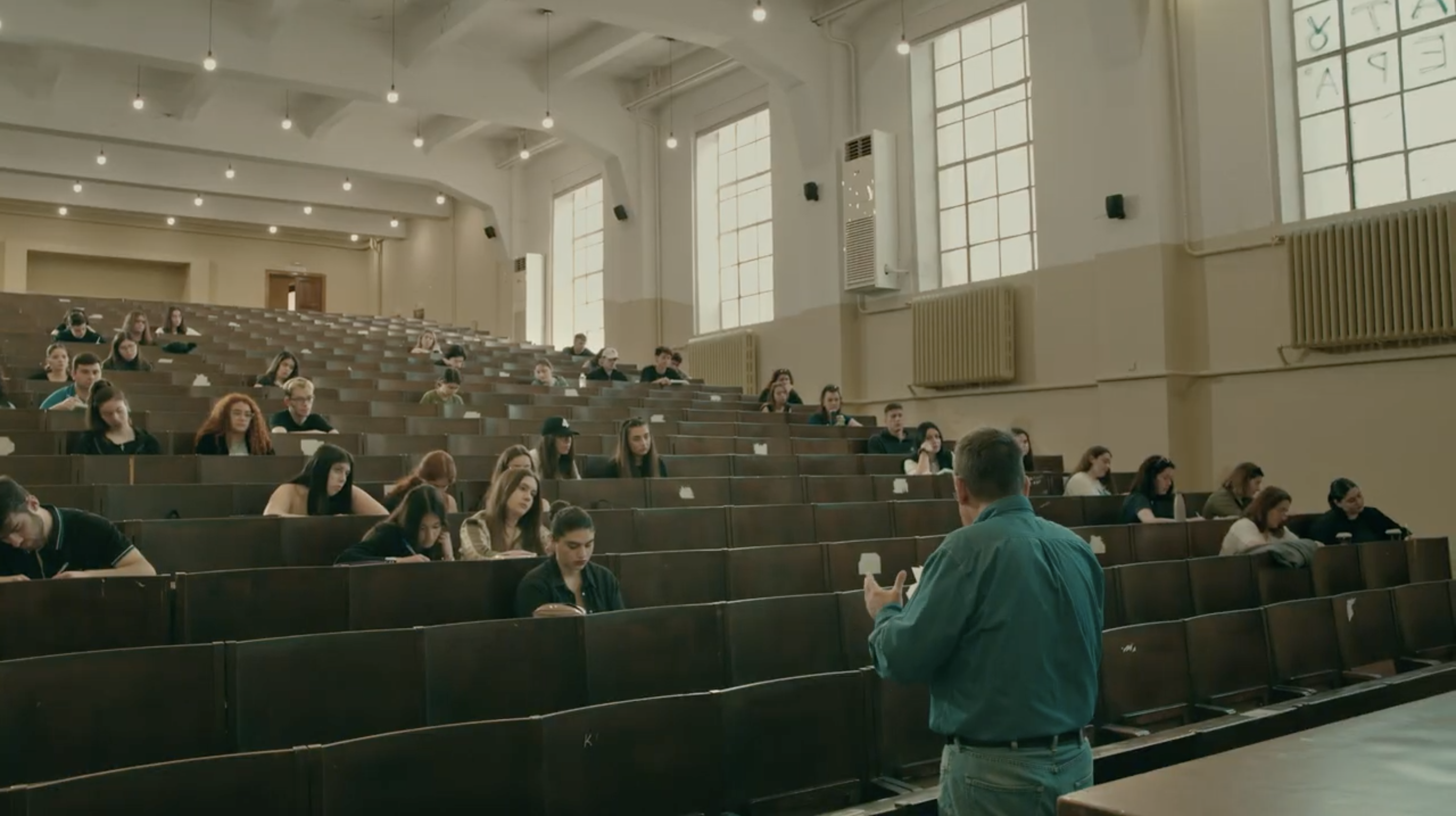
Sixty-four researchers across five Schools — see who runs the labs you've just read about.
Meet faculty →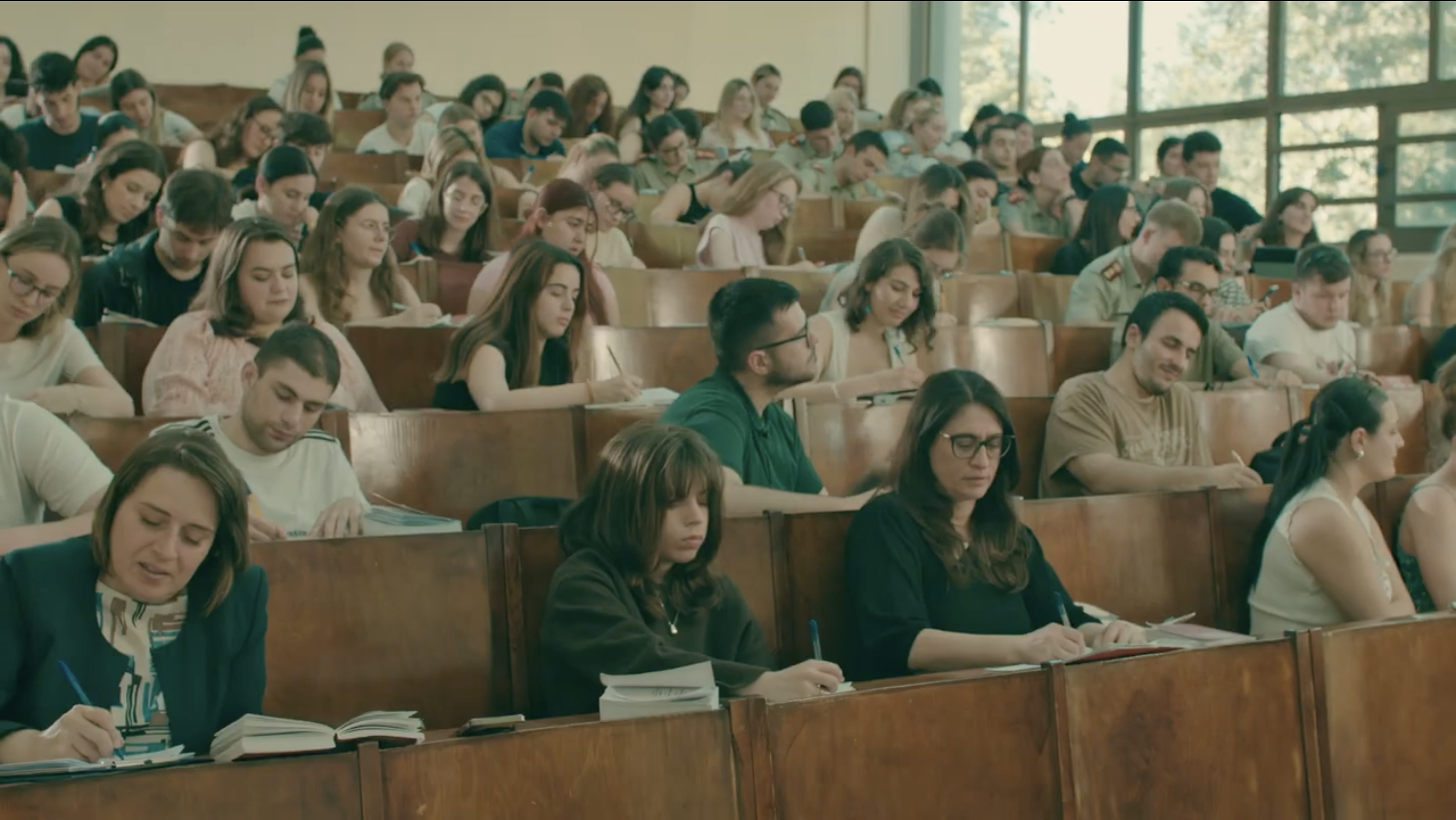
How research expertise translates into ten semesters of teaching, fieldwork and a final thesis.
View curriculum →
Eligibility, documents, timeline. Applications open year-round.
Begin application →