

Admissions · FAQ

Frequently asked questions.

Twenty-four answers to the questions applicants ask most often — about the programme structure, the application process, and life in Thessaloniki.

Category 01

Programme structure.

How does the programme work?

The programme consists of five years of full-time study (ten academic semesters), leading to an Integrated Master degree (EQF Level 7). This is the same level as a postgraduate Master's degree but achieved through a single integrated programme rather than separate Bachelor's + Master's stages.
How many courses are included?

The programme offers 50 courses in total. Each student must successfully accumulate 270 ECTS across the first nine semesters. The tenth semester is dedicated to a thesis project worth 30 ECTS, bringing the total to 300 ECTS.

What are ECTS and how are they calculated?

ECTS stands for European Credit Transfer and Accumulation System. One ECTS credit corresponds to 28 hours of total student workload — lectures, labs, reading, and assignments. Each course is worth 6 ECTS (~168 hours of work). Students typically take five courses per semester (30 ECTS).

Are the courses compulsory?

34 courses are compulsory and 16 courses are elective. The compulsory courses provide the essential scientific background and core methods of Environmental Sciences and Environmental Engineering, forming a strong foundation for your studies and future career. Electives allow you to explore specialised areas of the programme based on your interests.

Is attendance mandatory?

Yes. You may not exceed 30% absences in any course unless you have documented serious reasons (force majeure).

How is the academic year organised?

It consists of two semesters — Winter and Spring. Each includes 13 weeks of teaching followed by an exam period.

Is the programme recognised internationally?

Yes. AUTH is a public university of the Hellenic Republic, and its degrees are fully recognised across the European Higher Education Area (EHEA). The Integrated Master at EQF Level 7 is automatically recognised for academic and professional purposes across all EU member states, and in most countries worldwide that have signed mutual recognition agreements with the EU.

Category 02

Applications & admissions.

When can I apply for admission?

Applications are accepted electronically throughout the year — the programme uses a rolling-applications model rather than a single deadline. The full selection cycle for each academic year must be completed by 30 September, which means earlier applications generally have more time for evaluation, interview scheduling, and visa processing.

How do I apply to the programme?

For the full eligibility categories, document list, and selection process, see the main Admissions page. The questions here address the most common practical follow-ups.

What documents are required for my application?

The full document checklist is on the Entry Requirements page — including academic transcripts, identification, English language certificate, motivation letter, and CV.

What are my chances of being admitted?

Each year the programme accepts between 24 and 40 students. Applications are competitive, but if your qualifications meet the entry requirements, your chances are realistic — we encourage you to apply. The Curriculum Committee evaluates each application on its own merits.

If I'm accepted, when do I need to enrol?

After acceptance, you have 15 days to enrol by submitting any final supporting documents and paying the €1,000 enrolment deposit. The first instalment of tuition is due during the enrolment process. Failing to enrol within this window is treated as a refusal of the place, which is then offered to the next candidate on the waiting list.

What level of English is required?

CEFR B2+ certificate from a recognised examination body — IELTS, TOEFL, Cambridge English, and others recognised under Greek Ministry of Education and ASEP decisions.

How much do the tuition fees cost?

Tuition is €30,000 total — €6,000 per academic year, paid in ten instalments of €3,000. Below are the fees that apply specifically to applying and accepting a place.

  • Application file management fee — €150, non-refundable. Paid at submission.
  • Acceptance deposit — €1,000. Counts toward first-year tuition. Non-refundable on withdrawal.
  • Annual tuition — €6,000. Paid in two instalments per year, before the start of each semester.
  • Programme total — €30,000 across the five-year Integrated Master's.

See the Fees page for the full breakdown and scholarship pathways.

Are there any scholarships?

Up to three full-tuition scholarships are awarded each year based on academic merit. Additional pathways exist for excellence performance, humanitarian cases, social need, and reciprocal work — see the Fees page for the full six scholarship pathways.

Category 03

Living & studying in Thessaloniki.

Do I need a visa to study in Greece?

  • EU citizens: No visa is required.
  • EFTA & EEA citizens (Iceland, Liechtenstein, Norway, Switzerland): No visa is required with a valid passport.
  • Non-Schengen applicants: Yes, a student visa is required. Visa requirements depend on your country of origin — you must contact the competent authority of your country. Further information at mfa.gr/en/service-category/visas.

The Programme Secretariat can issue an admission confirmation letter to support your application after you have been accepted.

How can I enter Greece?

Citizens of European Union countries covered by the Schengen Agreement can enter Greece with an identity card or passport. However, please contact the authorities of your country for further information.

Citizens of other countries should refer to their authorities for the necessary documentation.

All students must apply for a long-term residence permit for studies upon arrival. The AUTH International Studies Office at eurep.auth.gr is available to support that process.

What is the cost of living in Thessaloniki?

Thessaloniki is an affordable university city. A typical monthly student budget ranges between €500 and €700.

Bus ticket
€0.60 (€0.30 reduced)
Restaurant meal (mid-range)
€15.00
Coffee (espresso or café)
€2.50 – €3.50
Bottled water (0.5L)
€0.50
Fresh bread (loaf)
€0.90
Cinema ticket
€7.50

Free meals are available to eligible students through the AUTH Student Club, which serves 15,000+ meals daily.

How do I find housing?

Several real-estate agencies in Thessaloniki specialise in helping students find apartments. Options range from university residences to private rentals, with private studio rents typically running between €250 and €450 per month depending on neighbourhood and proximity to campus.

The Programme Secretariat can provide information on recommended housing agencies and student-friendly neighbourhoods after enrolment. AUTH's Department of Studies also maintains a list of private accommodation offers and links to major real-estate agents.

What is the campus like?

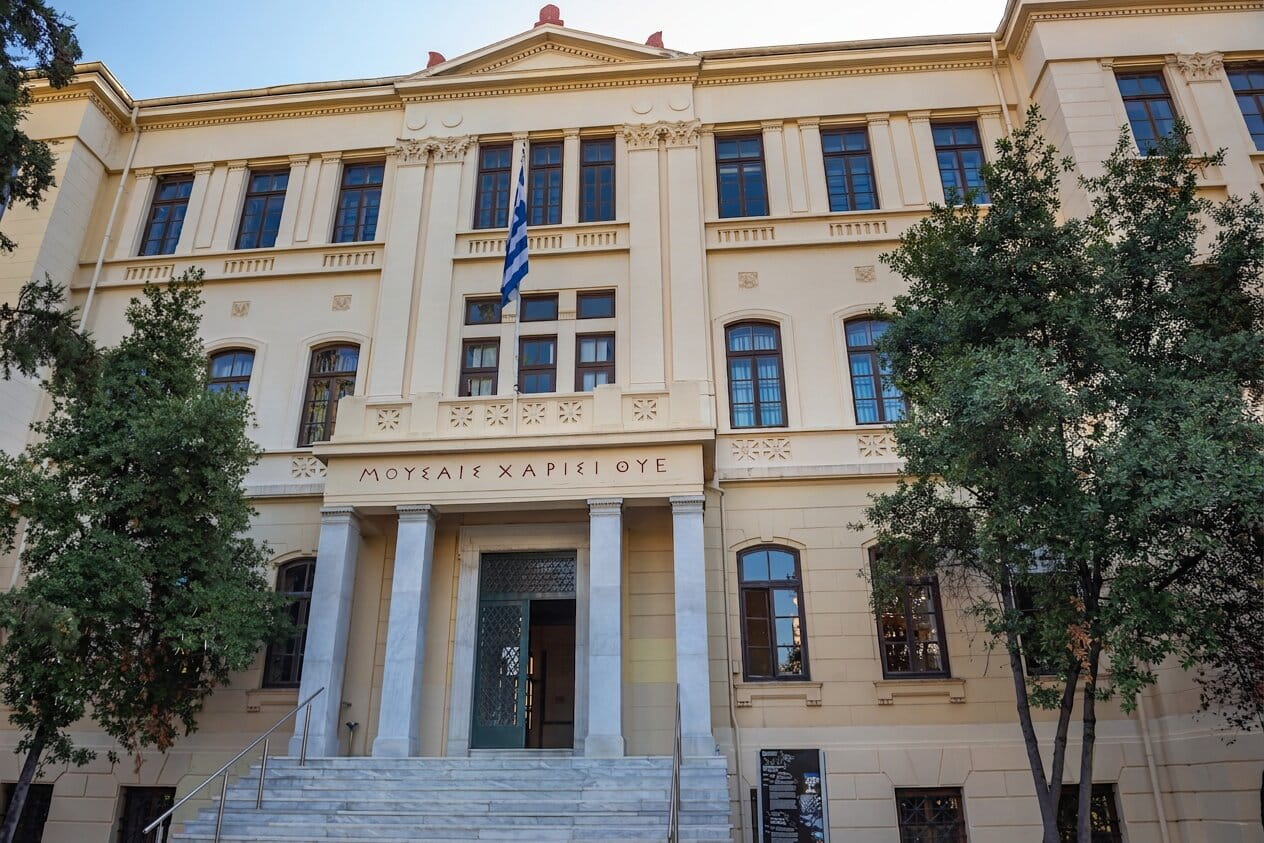
The main campus is the largest in Greece, located right in the heart of Thessaloniki. It is a "city within a city" — vibrant, bustling, and green, a central hub for the city's youth.

As a "Green University," AUTH focuses on sustainability with recycling programmes and green spaces. Because it is downtown, everything from the seaside promenade to historical sites is within walking distance.

Do I need to speak Greek?

For your studies, no — the entire programme is taught in English. All courses, lab instructions, exams, and academic interactions happen in English.

For everyday life, basic Greek is helpful but not necessary. Thessaloniki is a major university city with a young, multilingual population — most service-industry workers, university administrators, and younger residents speak English comfortably. Many students pick up everyday Greek over the course of the five years. AUTH runs Greek-language courses through the School of Modern Greek if you'd like to learn formally.

What facilities are available for international students?

AUTH provides a range of services for all students, including international ones:

  • Library & Information Centre — one of the largest in the Balkans
  • Free meals for eligible students through the Student Club
  • Free psychological support through KESYPSY (Counselling and Psychological Support Centre)
  • Accessibility services for students with disabilities
  • Sports facilities including gym, courts, and a summer campsite at Posidi, Chalkidiki
  • Digital infrastructure — institutional email, eLearning platform, secretariat services

Plus an academic advisor assigned to every student from day one. See the About AUTH page for full details on each service.

What support is available for students with disabilities?

The university is committed to providing an inclusive environment through the Support Office for Students from Sensitive Social Groups (EKO) and the Accessibility Committee:

  • Academic support: Tailored examination arrangements (e.g., oral exams or extended time) and technical aids like braille keyboards and screen readers.
  • Physical access: Ongoing efforts to improve campus accessibility with ramps, designated parking, and accessible restrooms.
  • Library services: The Central Library has a dedicated service for People with Disabilities (PWD) to assist with accessible formats and research assistance.

Is Thessaloniki safe for international students?

Yes. Thessaloniki is consistently ranked among the safest large cities in south-eastern Europe. The university area is well-lit, well-served by public transport, and has a large, active international student community. The city is generally welcoming and tolerant toward international students and visitors from all backgrounds.

Still have questions?

If your question isn't here, just ask us.

Every enquiry is answered personally. WhatsApp for a quick reply, or book a one-to-one Zoom call to talk through the programme in more depth.