Programme · About

Built to close the gap science has been forced to leave open.

Five Schools. Sixty-four faculty. One integrated curriculum — designed for environmental problems that no single discipline can solve alone.

The premise

Why we built this programme.

The environment is the central scientific and political problem of the 21st century. Solving it requires people trained to think across disciplines that universities have spent a century separating.

Climate physicists who don't speak to ecologists. Chemists who don't speak to engineers. Agronomists who don't speak to economists. The result is a generation of specialists who can describe pieces of the problem with great precision, and a shortage of people who can solve it.

This programme was built to close that gap. Five Schools of Aristotle University of Thessaloniki — Physics, Chemistry, Biology, Mechanical Engineering, and Agriculture — co-designed and co-deliver one integrated five-year curriculum, taught in English. Students don't pick a discipline and stay there. They learn the physics of the atmosphere from the people who measure it, the chemistry of pollution from the people who treat it, the biology of ecosystems from the people who model them, and the engineering of energy systems from the people who design them.

By the time students write their thesis in the tenth semester, they have spent five years thinking like an environmental scientist and an environmental engineer.

Structure at a glance

Five years.
One continuous arc.

Duration
5 years10 academic semesters
Total credits
300 ECTSEquivalent to a 5-year Integrated Master's
Courses
5034 compulsory · 16 elective (choose 11)
Diploma thesis
30 ECTSIndependent research project · semester 10
Language
EnglishGreek language courses available
Award
Diploma with Integrated Master'sRecognised across the European Union
The pedagogical arc

From foundations to independent research.

  1. Foundations
  2. Bridging
  3. Integration
  4. Specialisation
  5. Diploma Thesis
01
Foundations · Years 1–2

Building the toolkit.

Physics, chemistry, biology, mathematics and programming — one shared vocabulary for every student.

02
Bridging · Years 2–3

Where the toolkit meets the world.

Earth sciences, ecology, atmospheric physics, environmental engineering. Pure science engages the environment as a system.

03
Integration · Years 3–4

Systems thinking.

Climate, ecosystems, energy, circular economy, policy. Disciplines connect into one integrated way of seeing.

04
Specialisation · Years 4–5

Choosing your depth.

Eleven of sixteen elective courses. Atmosphere, water, ecosystems, data, industry — students go deep in their chosen field.

05
Diploma Thesis · Year 5

Independent research.

Thirty ECTS. Six months of original work under senior supervision — the equivalent of a master's research project.

The five Schools

What each School contributes.

Sixty-one faculty across five Schools, with three further contributors from Civil Engineering and Geology. Each School brings its own depth — together they cover the full span from atmospheric physics to soil science.

Physics

Atmospheric · Climate · Astrophysics · Nuclear

15 faculty teaching the programme

Founded 1928. One of Greece's largest physics departments, with Atmospheric Physics as the single largest research grouping at AUTH.

Chemistry

Pollution Control · Environmental Technology

13 faculty teaching the programme

Founded 1943. Ranked #1 in Greece (2025), with 31 faculty in the Stanford / Elsevier global Top 2%.

Biology

Ecology · Ichthyology · Botany · Marine systems

8 faculty teaching the programme

Marine and freshwater research spanning ecology, fisheries and biodiversity — including active membership of the international FishBase consortium.

Mechanical Engineering

Energy · Sustainability · Industrial Management

11 faculty teaching the programme

Founded 1972. One of AUTH's most research-active departments, with €15M+ in external research funding over the past five years.

Agriculture

Water Resources · Soil · Bioeconomy · Agroecosystems

14 faculty teaching the programme

#1 in Greece for Agricultural Sciences (NTU 2024), bringing soil science, hydraulics and bioeconomy into the programme's environmental engineering core.

The diploma

A degree that travels — recognised across the EU.

The programme leads to a Diploma equivalent to a five-year Integrated Master's at 300 ECTS, awarded by Aristotle University of Thessaloniki — a public university of the Hellenic Republic.

  • EU-wide recognition Full Bologna Process compliance. Recognised in all 27 EU Member States.
  • Integrated Master's advantage One continuous programme, no application gap between BSc and MSc.
  • Direct doctoral eligibility Graduates may proceed to PhD programmes in Greece and abroad without an intermediate degree.
  • Professional standing Access to scientific, technical and engineering professions in Greece and the EU.
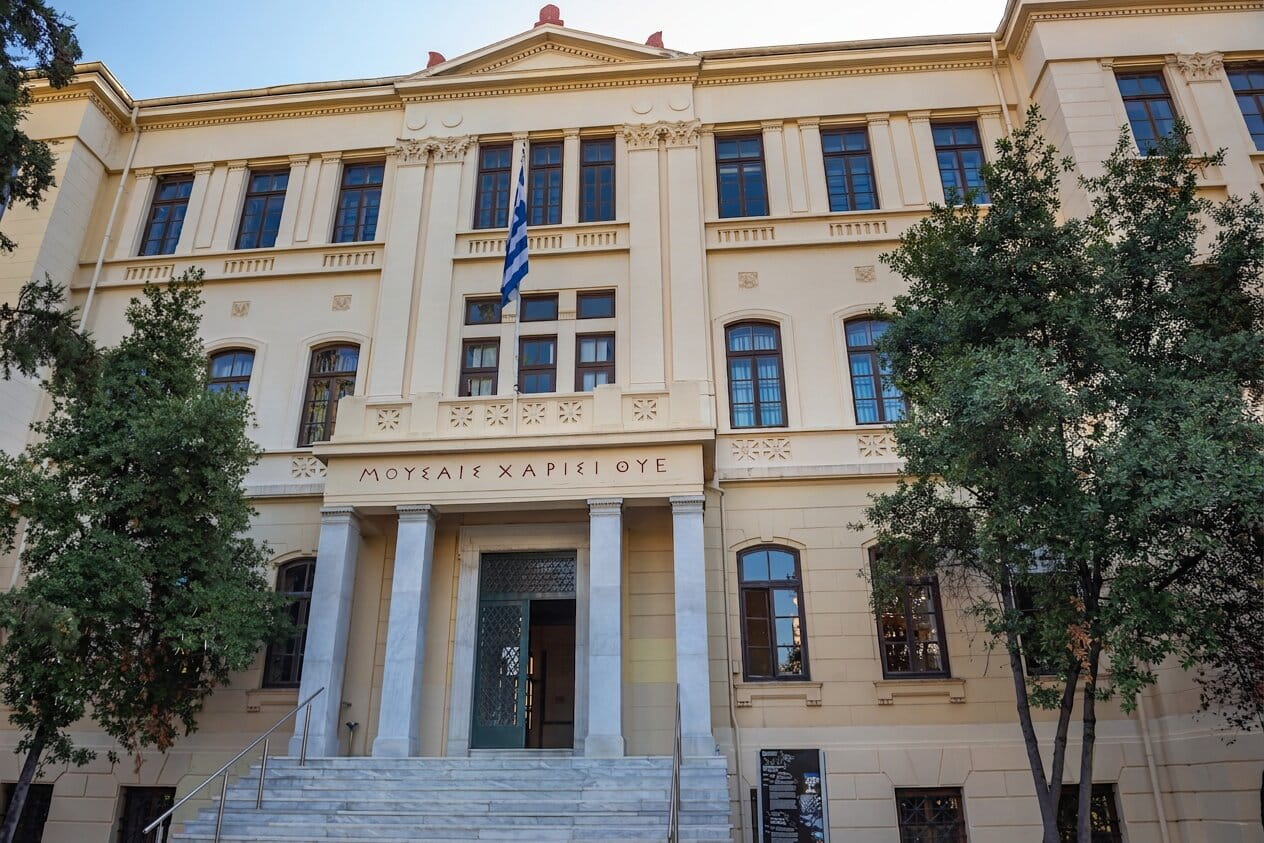
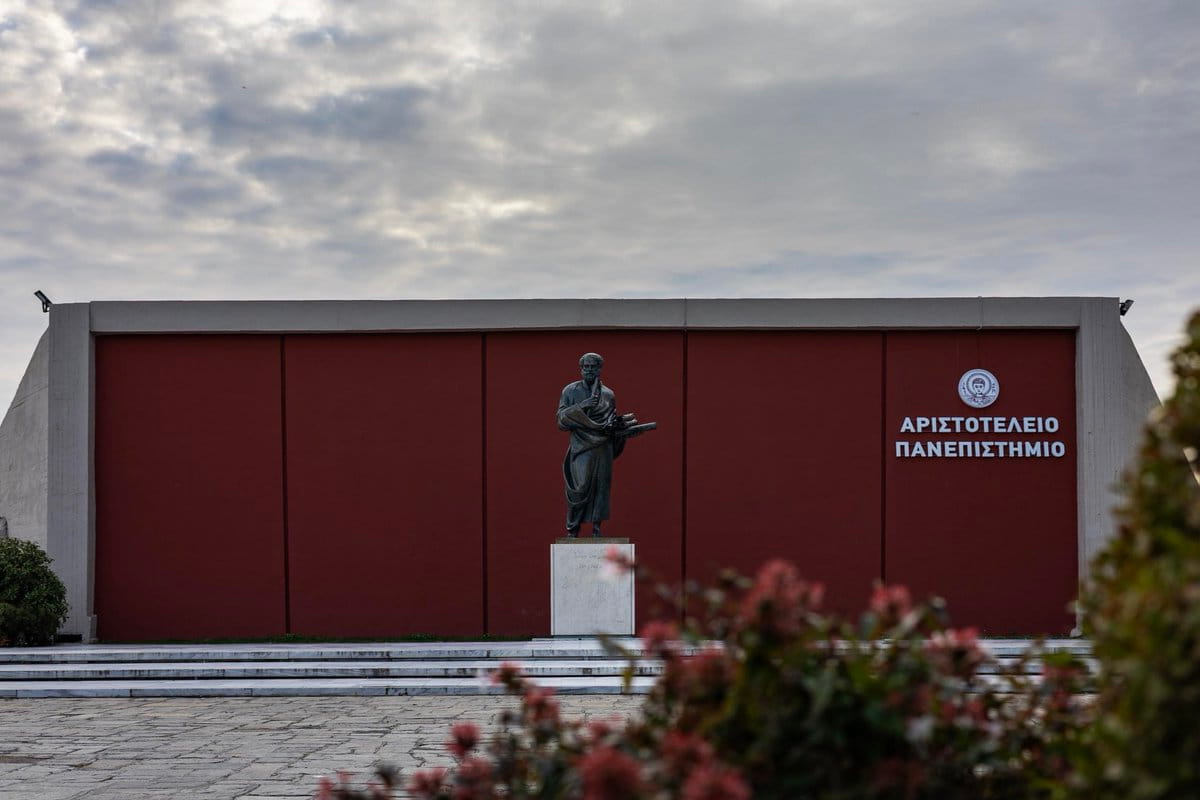
Aristotle University facade
Programme leadership

The people responsible.

Programme Director

[Name to be confirmed]

School of Physics · AUTH

Appointed by the Senate of Aristotle University on the recommendation of the participating Schools. Chairs the Curriculum Committee and serves as the Scientific Director.

Curriculum Committee

Seven members

Across the 5 participating Schools

Two Professors or Associate Professors. Four-year term. Distributes teaching, prepares the budget, and exercises academic oversight of the programme.

Programme Secretariat

School of Physics

Administrative & technical support

Handles enrolment, the educational lifecycle, communications with teaching staff, and the financial management of the programme via the AUTH Special Account for Research Grants.

A complete list of named members of the Curriculum Committee will be published once the Senate has formally appointed them.